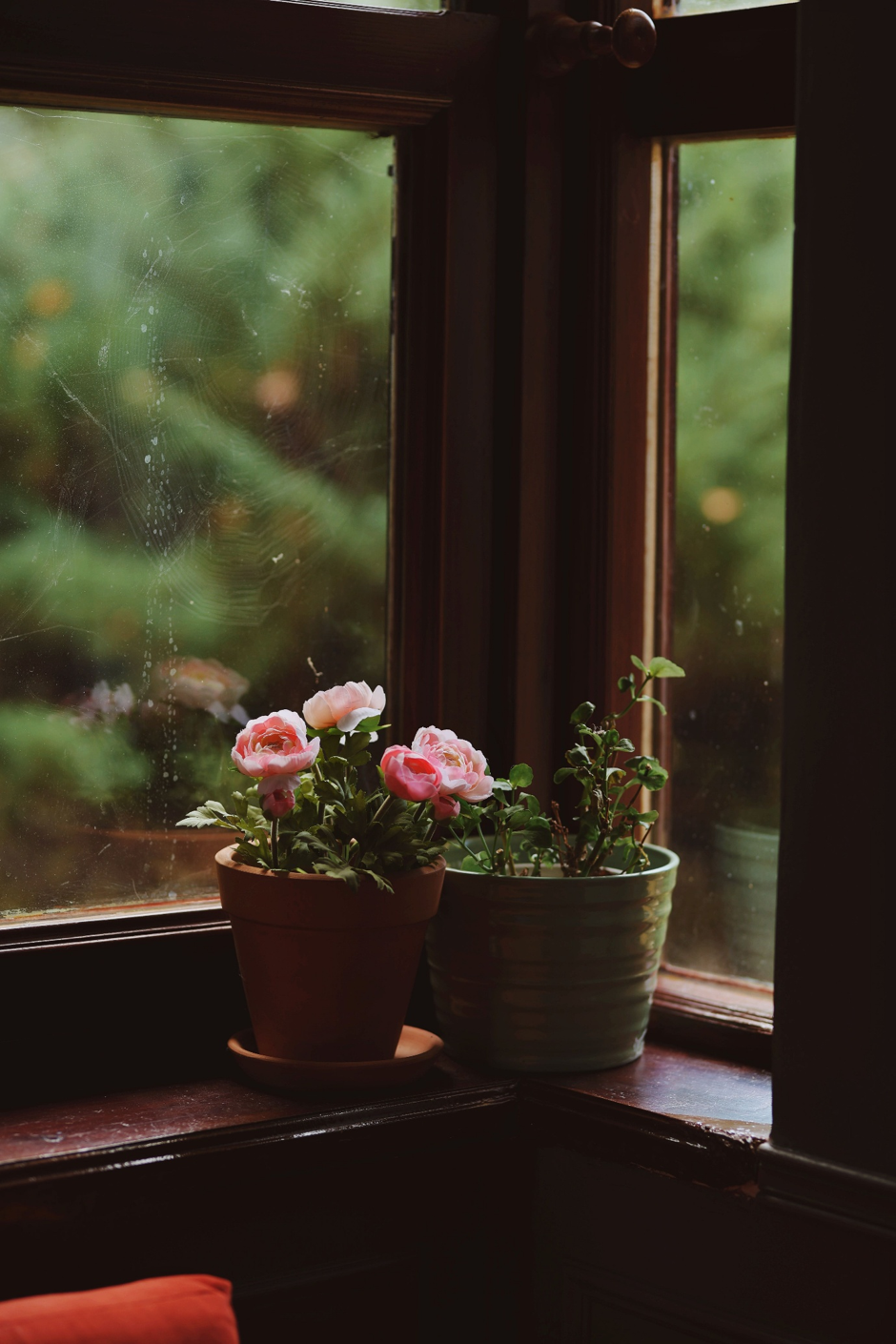
As the days get shorter in autumn and winter, you may notice some changes in your houseplants. Sometimes these are signs that your plant needs more light, but it’s not always the case. Pale, yellowing leaves, for example, could mean too little light, but it could also mean too much light, a nutrient shortage, or an old leaf reaching the end of its life.
Resist the urge to jump to conclusions
It’s super important not to take one sign and assume poor light is the problem. Think of the signs below as clues, one symptom on its own rarely tells the whole story, but noticing several clues together can help you work out what might be going on. Before you change anything about your plant care, observe all parts of the plant and think about its recent care and any changes to its environment. The more time you spend noticing your plants, the easier it becomes to spot what’s causing a problem, and whether it’s a problem at all.
What does “low light” mean?
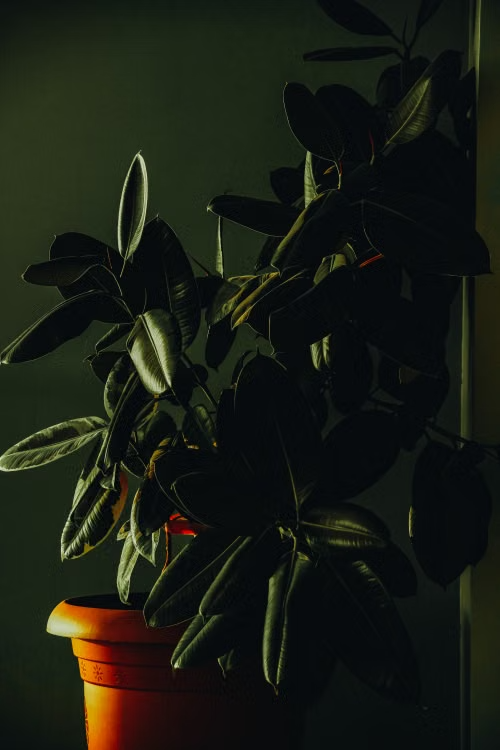
When I first got into plant care I noticed the care labels were incredibly vague. Light is often described as bright, medium, low, direct, indirect and these terms are hard to picture when you’re starting out. A simple way to check is the hand shadow test. Hold your hand about 30 cm above the plant’s leaves on a sunny day and look at the shadow it casts.
- Bright light: a sharp, clearly defined shadow.
- Medium light: a soft shadow with blurry edges.
- Low light: a faint shadow, or hardly any shadow at all.
If you’d like to go deeper, I cover light levels and their meanings in more detail in my post Houseplant Light Levels Explained.
Which way do your windows face?
The direction your windows face makes a big difference to how much light a plant gets. If you’re not sure which way yours face, a compass or compass app on your phone will tell you. In the UK, this is roughly what to expect:
- South-facing: the brightest spot, with strong direct sun for much of the day.
- West-facing: bright light in the afternoon and evening, which can be quite warm and intense.
- East-facing: gentler direct sun in the morning, which most houseplants enjoy.
- North-facing: the dimmest option, with little or no direct sun. Only some plants will be happy here.
Even these descriptions have to be taken in taken context. A south facing window can scorch leaves in summer but the intensity of light changes across seasons and even across days. A spot may be considered really bright on a sunny day and less so on an overcast day.
Is it the season or the light?
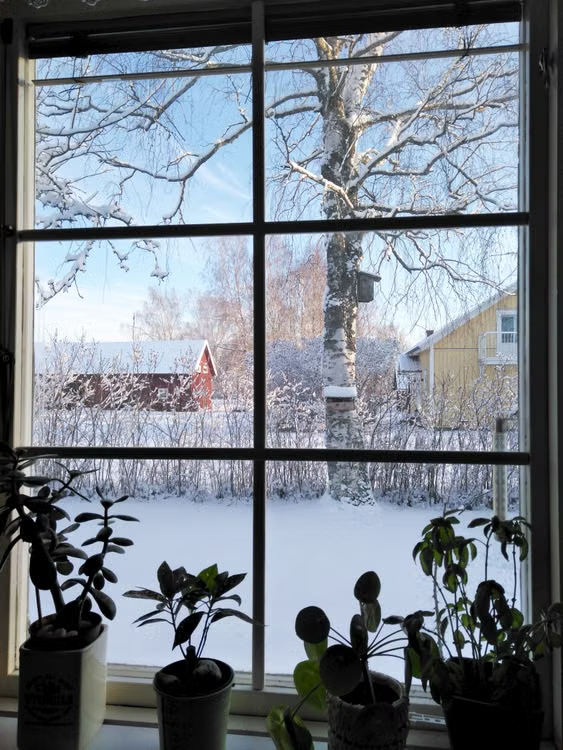
The time of year matters. If the signs appear in late autumn or winter, they may be your plant’s normal response to shorter, darker days, and there’s often nothing to fix. If they show up in spring or summer, when there’s more light, or they’re getting steadily worse, a light problem is much more likely.
A good habit is to jot down, or snap a photo, how your plants look each season. Next year you’ll have something to compare with.
If you’d like to know more about seasonality and houseplant care I cover this in more detail in my post on Preparing Your Houseplants for Autumn.
Common signs your houseplant needs more light
Slow growth, or no growth at all
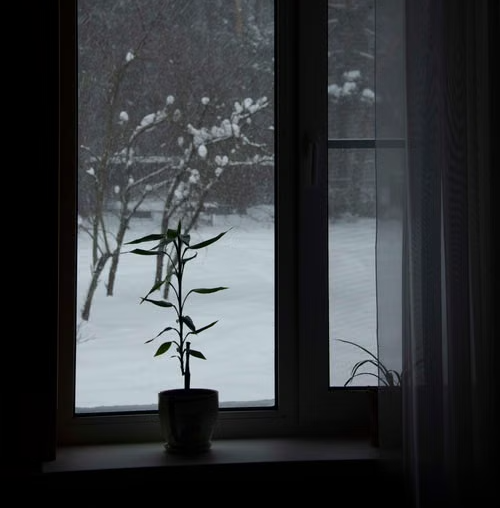
In winter, especially in the UK where the days get so short, it’s normal for most houseplants to grow more slowly or stop growing altogether (winter dormancy). However, if your plant didn’t put out any new growth over spring or summer, that could be a sign it needs more light in general. Look at where it’s sitting in your home. If it could be moved closer to a window, that might be a quick leafy win.
Variegated leaves turning green
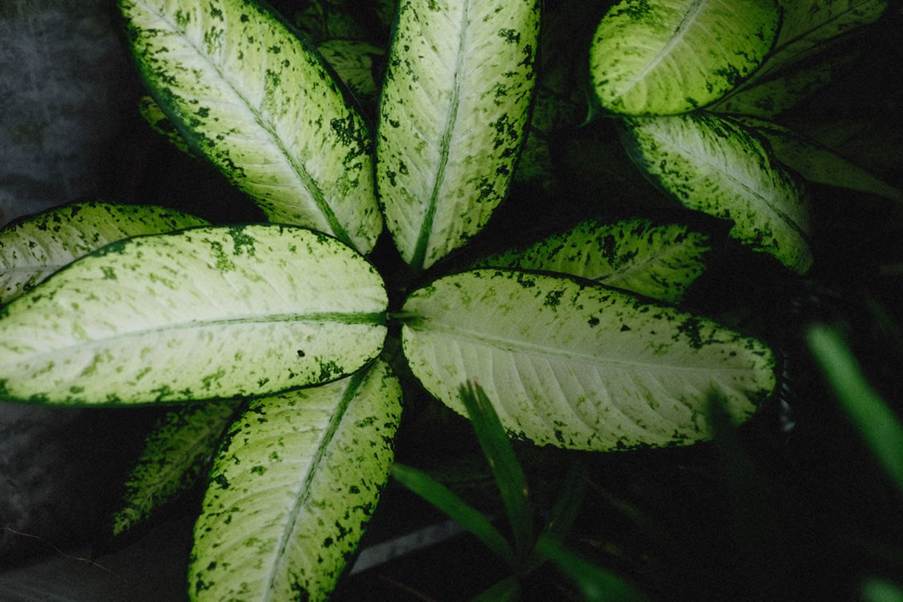
If a variegated plants isn’t getting enough light this can encourage green growth and some loss of variegation. However, this could also be genetic or related to a particular cultivar so its best not to take this sign as true on its own.
Stretched or leggy growth
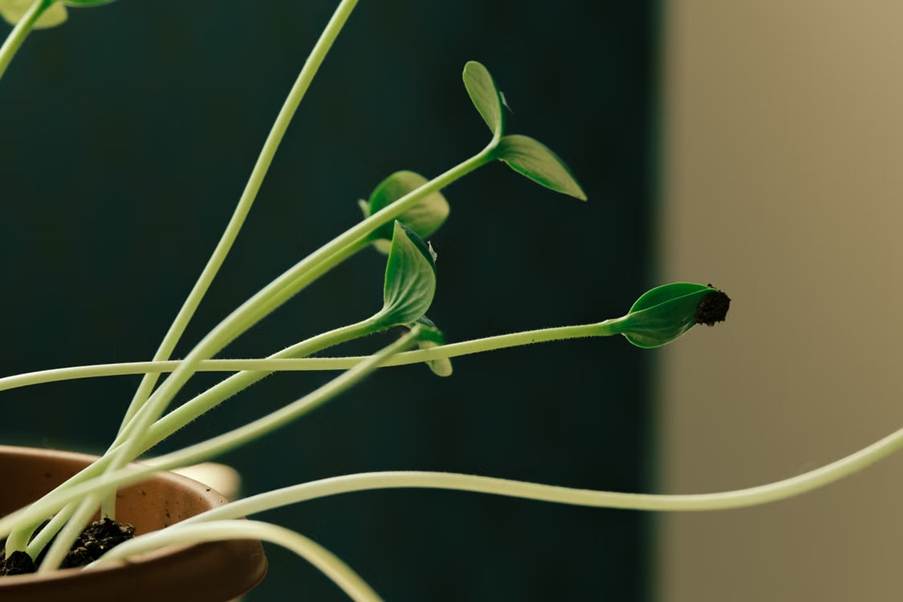
If your plant’s stems look unusually stretched, with long gaps between the leaves, it may be reaching for more light but keep in mind the nature of your plant, some plants are naturally training and do have longer stems.
Smaller leaves
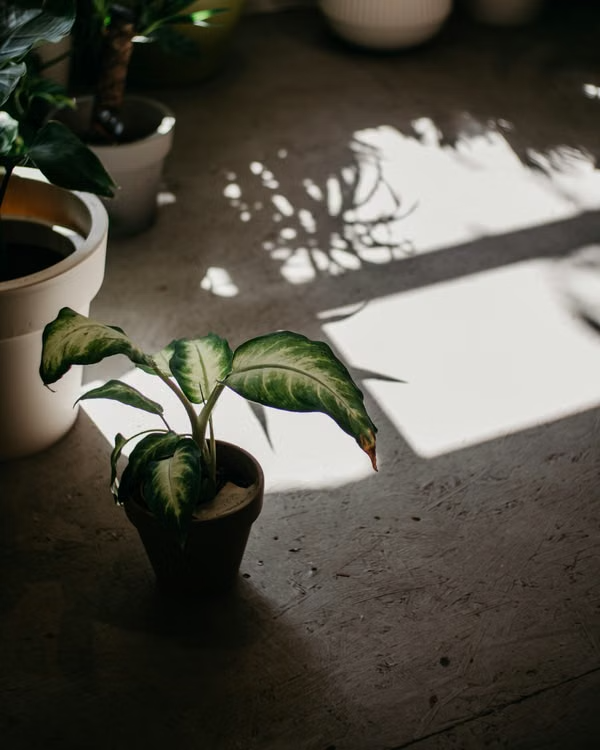
If new leaves are consistently coming out smaller than usual, along with sparse growth, this can be a strong sign the plant doesn’t have enough light to support full-sized foliage, especially is leggy or stretched growth is also present. However, smaller leaves can also be due to other stresses such as pests so check the leaves thoroughly for any critters.
Pale and yellowing leaves
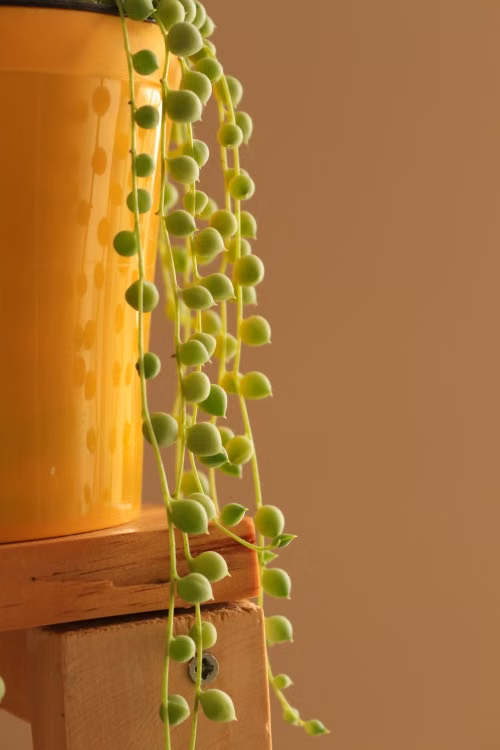
The occasional older leaf turning yellow and dropping is nothing to worry about. If more leaves than normal are yellowing and falling, though, low light could be the cause. Be careful here, because this is also a classic sign of overwatering, so check the compost too. If you think watering might be the issue instead, my guide on how to water houseplants is a good place to start.
No flowers when it should be flowering
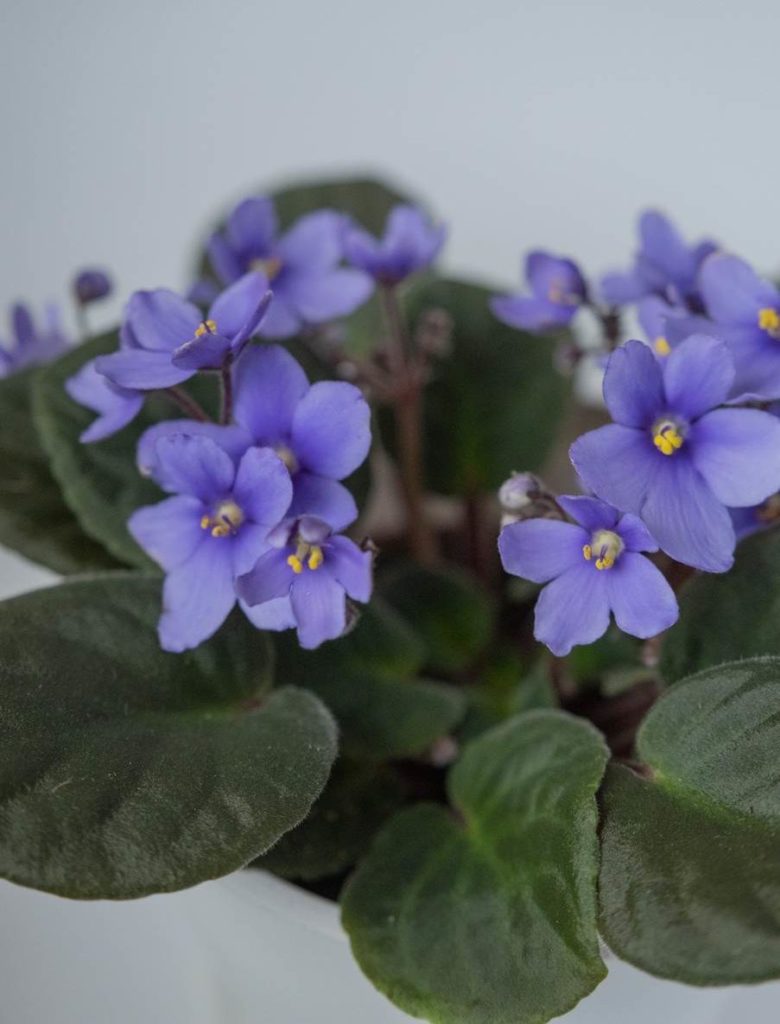
If light levels are too low, a plant may produce fewer flowers than usual, or none at all. Again, be careful: most flowering plants need a rest period and won’t bloom all year round so don’t assume that low light is necessarily to problem. If your plant isn’t flowering when you’d expect it to, low light is one possible reason, but a lack of nutrients or a pest problem could also be behind it. Before blaming the light, think about whether you’re feeding the plant during its growing season, and check the leaves for pests.
The important takeaways
These signs of low light rarely appear overnight. Taking time to regularly observe your plants, and the soil they’re growing in, will help you work out whether an issue is light related or something else entirely, like over or underwatering, a feeding issue, or a pest or disease problem. To help you know what to look out for, you can download my houseplant observation checklist.
Sometimes it’s more than one factor affecting your plant’s growth. And if it is a low light issue, the plant will often show several of these signs together, not just one.
What to do if you think your plant needs more light
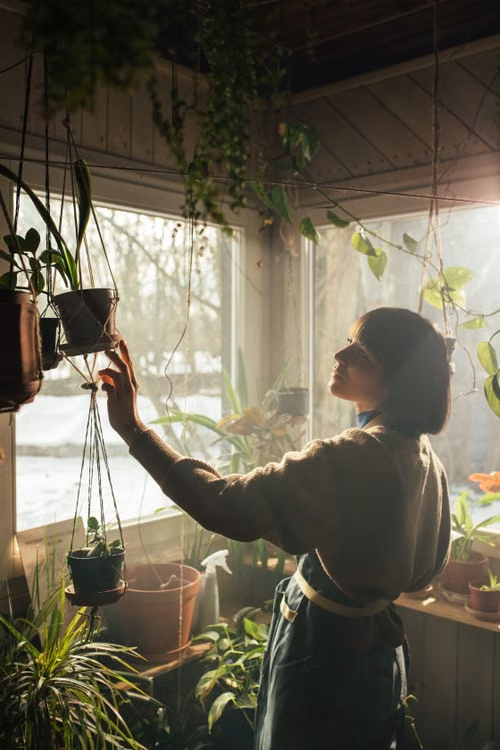
If you’ve looked closely at the plant and its soil and think light is the likely culprit, here’s what I’d advise:
- Check how far the plant is from the nearest window. If it’s a long way off, moving it a little closer could help. Monitor its growth, and make sure it isn’t getting too much light, as plants on a south-facing window can scorch in summer.
- Consider the window direction and the time of year. If your plant is in a north-facing room, it may do better in a room with an east- or west-facing window.
- Compare with last year. If growth slowed down in winter last year too, this may simply be the normal seasonal slowdown.
- Avoid suddenly exposing the plant to long periods of direct sun, especially if it isn’t adapted to it (unlike cacti and succulents). Strong, direct sunlight for long stretches can scorch leaves, which then turn brown and crispy.
Two tips: rotate and dust
Before you rearrange your plant collection, two simple and often forgotten habits can help your plants make the most of the light they already have.
- Rotate your plants. Plants lean towards their light source, which can leave them lopsided. Giving the pot a quarter turn every week or two keeps growth more even.
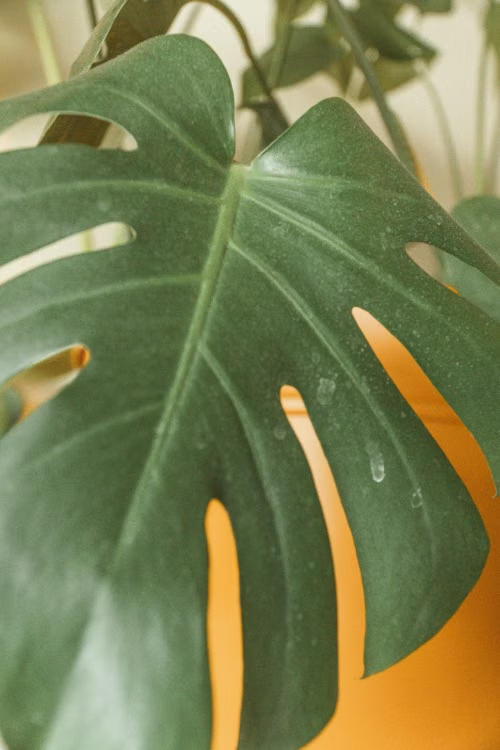
- Wipe dusty leaves. A layer of dust blocks some of the light reaching the leaf surface. Gently wipe leaves with a soft, damp cloth every few weeks. Plants with fuzzy leaves, like African violets, are better dusted with a soft, gentle, dry brush.
What if you can’t move the plant?
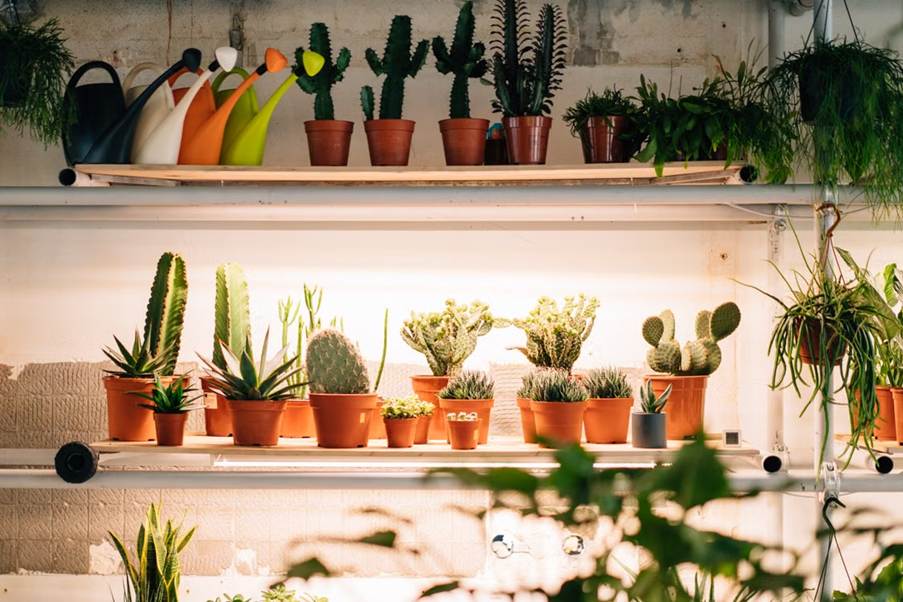
Sometimes there’s simply no brighter spot in your home, especially in winter. In that case, a grow light can fill the gap. Look for a full-spectrum LED bulb or panel, which is affordable and doesn’t give off much heat. Put it on a timer so your plant gets a consistent number of hours of light each day, and follow the manufacturer’s guidance on how far away to place it. It’s important not to keep the light bulb on night and day, as like us plants need what’s called a ‘rest’ period.
Plants that cope with lower light
If your home is on the darker side, it’s worth choosing plants that are a wee bit more forgiving. These are some good beginner-friendly ones:
- Snake plant (Sansevieria)
- ZZ plant (Zamioculcas)
- Pothos (Epipremnum)
- Cast iron plant (Aspidistra)
- Peace lily (Spathiphyllum), which tolerates lower light but may flower less
Keep in mind that low light ‘tolerant’ doesn’t mean no light or that low light is what they prefer. These plants will survive in dimmer spots, but they’ll usually grow more slowly than they would in brighter light.
The Leafy Little Win
If you’ve read this and are still wondering what your plant needs, you’re not alone! Plant care can feel overwhelming when you’re starting out, especially when the same signs can point to several things. It could be a change in the environment, the time of year, and that your plant needs a little help with something else entirely.
The good news is that you don’t have to figure everything out at once.
Start by getting to know your plant. Notice how it looks, where it’s growing, how the compost feels and whether anything has changed recently. Look for patterns rather than focusing on one leaf or one symptom and give your plant time to respond before making lots of changes at once.
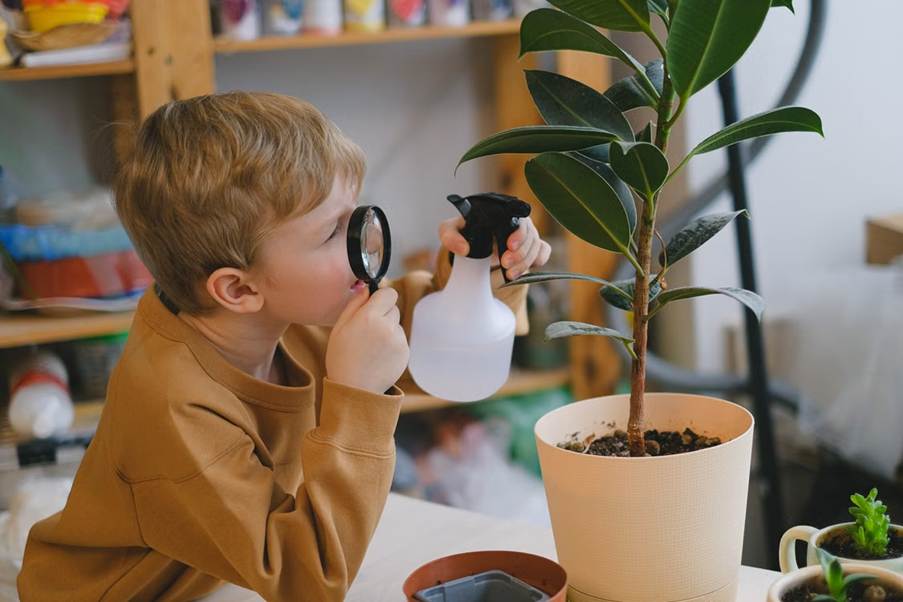
If you suspect a lack of light, try a small adjustment and see what happens. You don’t need to get everything perfect straight away. Learning what works in your home is part of the process. Also plants naturally change throughout the year. Slower growth in winter, or the odd old leaf turning yellow, isn’t always something you need to fix.
Even after years of caring for houseplants and completing a two-year horticulture course, I still get things wrong sometimes! What I’ve learned is that every plant (even the ones that don’t make it!) teaches you something new. I have found that the more I have observed, experimented, and remained curious the more confident and relaxed I became about houseplant care.
So take your time, keep learning and enjoy those leafy little wins along the way 🙂
And if you’d like a little help getting started, you can download my houseplant observation checklist to help you notice changes and keep track of how your plants are doing.
Leave a Reply