Autumn is my most favourite time of year. Light levels start to soften, the leaves of the trees look so beautiful in their golden, orange and red hues, and I love the feel of the cooler air against my face. With the changing of the season, I begin to bring out my warmer clothes as I get myself and my home ready for the cooler, darker weather.
I also enjoy taking a mindful moment to prepare my houseplants ready for autumn too. Just as we prepare to slow down after the summer rush, many houseplants also benefit from slowing down their care routines in autumn.
What I’m not rushing to do in autumn is:
- ❌ Repot every plant
- ❌ Continue a summer watering schedule
- ❌ Automatically stop feeding every plant
- ❌ Move every plant away from windows
- ❌ Panic over a few yellow or brown leaves
- ❌ Buy lots of new plant products just because the season changed
Here is a little sneak peek at what I do and why to prepare my houseplants for autumn.
Check where your plants are sitting
The amount and strength of daylight decrease significantly in autumn and even more so in winter in the Northern Hemisphere. Some plants may need to move closer to windows in order to keep thriving. This may be especially the case if they are in a lower-light area of a room or in a north-facing room.
As the days get shorter, it’s worth taking a moment to look at where your plants are sitting and whether they’re still getting enough light. A spot that was bright enough in summer may not provide the same amount of light as autumn progresses. Not sure what “bright indirect light” actually means? Read my guide to understanding houseplant light.
Slow down and check the soil before watering
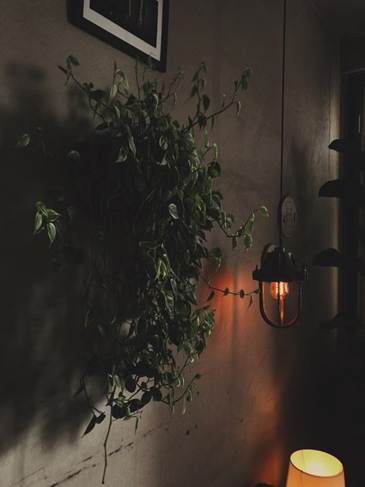
I advise this at all times of year, but this is especially important in autumn and winter in the Northern Hemisphere as daylight lessens and days get cooler.
Your houseplants may start to slow down their growth and water uptake from the roots may slow down as a result. Watering at the same intervals you did in summer could result in overwatering, root rot and an unhappy houseplant.
Rather than following a strict watering schedule, check the soil and your plant before reaching for the watering can. As the seasons change, your plants may need less water than they did during the summer. If you’re not sure when your houseplant actually needs a drink, have a look at my guide to watering houseplants.
Slow down or ease off feeding in autumn
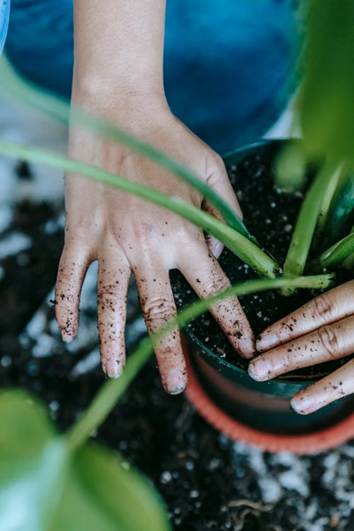
Houseplants are generally fed during the growing season, which in the Northern Hemisphere is spring and summer. As most houseplants tend to slow their growth in autumn and may stop altogether in winter, feeding should slow down too.
For example, if you were feeding every second watering in summer, you might consider reducing this to every fourth watering in autumn. Feeding plants that have slowed down or stopped growing can lead to a build-up of salts and minerals in the soil, which can damage plant roots.
However, if your houseplant looks like it is still actively growing and producing new leaves, then it may still benefit from an occasional feed, especially if it’s kept in bright light or under grow lights.
There are also some flowering plants that may benefit from continued feeding during their active growing or flowering periods, such as African violets, orchids, Christmas cactus, Thanksgiving cactus, cyclamen and kalanchoe. Always check the specific requirements of your plant, as feeding needs can vary between species.
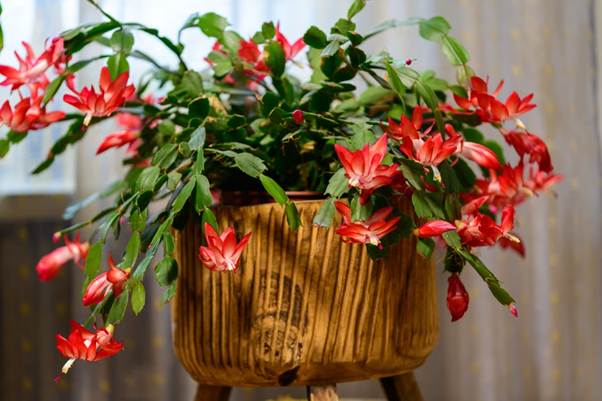
The important takeaway here is to observe your houseplants and feed according to growth, if needed. If it’s putting out new leaves, stems or flowers, a light feed may be helpful. If it looks unchanged for weeks and growth has paused, wait until growth resumes. For more information on feeding and fertilising plants check out this RHS page.
Hold off on any unnecessary repotting
As growth slows down, repotting may cause additional stress to the plant. So, if your plant looks healthy and there is no obvious reason to repot, then it can usually wait until spring.
That said… I do sometimes repot in autumn or winter, especially if I have a plant that looks unhealthy. Some reasons I repot now include:
The plant is badly root-bound – if roots are circling the pot, growing out of drainage holes, or the compost dries out very quickly, repotting can be better than waiting several months until spring.
The compost is degraded – if your plant hasn’t been repotted in a few years, the compost can become compacted or break down. Repotting can improve drainage and aeration around the roots and provide fresh growing medium.
There are pest or disease issues – if you discover pests breeding in old compost, root rot, or mouldy or sour-smelling compost, changing the growing medium may be better for the plant than waiting until spring. However, repotting isn’t always necessary for every pest problem, so it’s worth identifying the cause before disturbing the roots.
Watch out for cold draughts
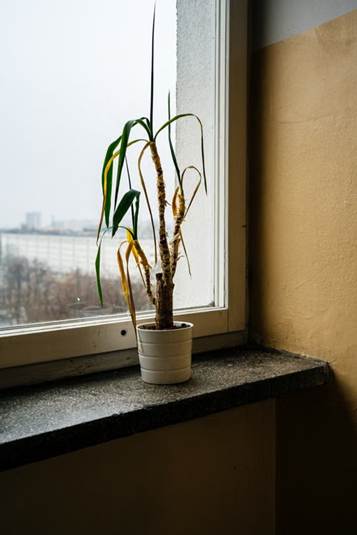
As the days get cooler, places like doorways and windowsills can get cold and draughty. Especially if your plant is sitting between the window and a curtain.
Keep an eye on your plants and consider moving them away from a cold windowsill or doorway if you suspect they are suffering from the cold.
You don’t necessarily need to move every plant away from a window as soon as autumn arrives, though. Remember that windows are also an important source of light. Try to find a balance between protecting your plants from cold temperatures and giving them enough light.
Keep an eye on the heating
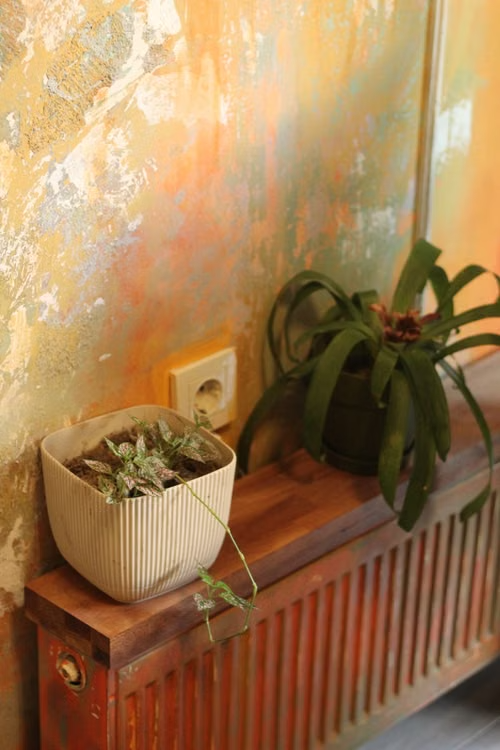
The same goes for when the heating comes on. Move plants away from hot radiators, as hot, dry air can affect some plants.
You might notice the soil drying out much faster than usual or leaves developing brown tips.
Rather than immediately watering more frequently, take a moment to look at the whole picture. Is the plant sitting directly above, in front of, or next to, a radiator? Is the air very dry? What about light? Is the plant still receiving enough of it? Small changes to its position may help.
Check for pests
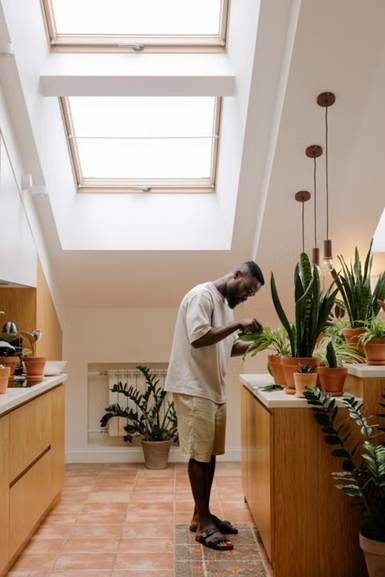
The summer can bring along a variety of pests that can sneak around under leaves or in the soil. A continued pest problem can cause additional stress to your plant and could result in pests spreading to other plants. So this is a good time to take a quiet moment and check in on your plants. Look underneath leaves, around new growth and around the surface of the compost.
Physically remove any pests you see first. It might also help to repot the plant if there are pests in the soil, depending on the pest and the severity of the problem.
If needed, especially if the infestation is significant, I also give my plants a semi-regular spray with SB Plant Invigorator. It is biodegradable, contains no toxic chemicals, works physically so pests don’t develop resistance, can be used on edible crops, and is reported not to harm birds and bees when used as directed.
Always follow the product instructions and check that it is suitable for the particular plant and pest you’re treating.
For more information on how to identify pests and ways to deal with them Ladybird Plantcare has some fantastic guides and products, many of which I use myself and find helpful.
Dust the leaves
Where possible (and not just in autumn), regularly and gently wipe dust off your houseplant leaves with a clean, damp cloth or dusting glove. This is the one thing many beginners forget!
As dust settles on leaves, it can reduce the amount of light reaching the leaf surface. This is even more important as the days get shorter – you want to maximise your plants’ ability to use the light available to them.
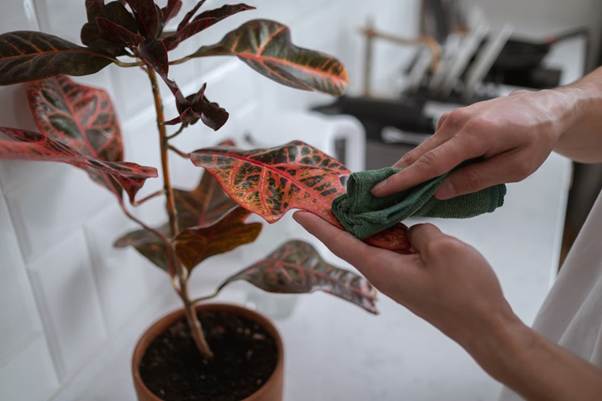
For plants with tiny or delicate leaves where dusting isn’t practical, even gently rinsing the leaves with water could help.
This can also be a lovely little autumn ritual. Rather than seeing it as another houseplant job to tick off your list, take a few minutes to look closely at your plants while you’re cleaning their leaves. You might spot a new leaf, some new growth or the first signs of a pest that you hadn’t noticed before.
Coorie in
Houseplants are the embodiment of coorie. Coorie is a Scots word associated with huddling or snuggling in and enjoying simple pleasures. It makes me think of creating a warm, comfortable and cosy home during the colder months.
Houseplants encourage us to slow down, notice the seasons and create a nurturing and cosy home during the darker months.
Taking time to notice growth or changes, wiping leaves, or moving plants to areas they’ll enjoy more is a small ritual of care that can bring calm and connection to nature while we’re spending more time indoors.
For me, that’s the most important thing about preparing your houseplants for autumn. Try not to think of it as a chore or worry about doing everything on this list at once. Just take a little time to look at your plants, notice what has changed and give them what they need as the seasons change.
Leave a Reply