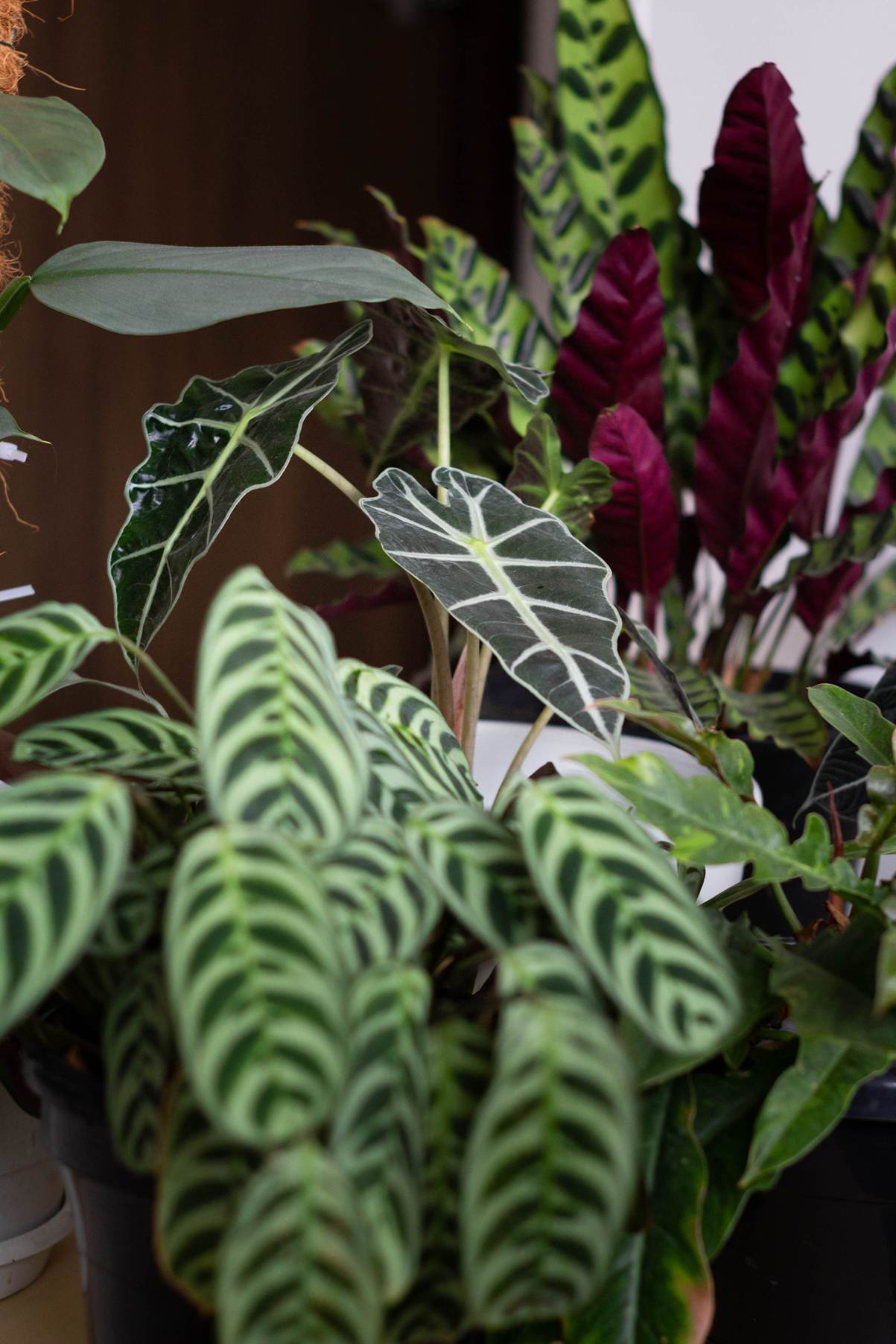
If you’ve kept up with some of my posts you’ll know that I live in a sunny south facing flat, therefore, my plants get ‘enough’ light most of the time. Certainly not perfect conditions by any means but not bad either. A common question I hear when working with other people’s houseplants is ‘what plants can tolerate shade, or darker rooms, or rooms with little light?’
I’m not going to lie, all plants need some light to survive and thrive. I’m not currently aware of any plants that will survive or thrive in the dark. Working with other people’s houseplants has taught me that sometimes it’s easier to work with the conditions within someone’s home (for example a north-facing home) that trying to somehow recreate the perfect light conditions.
There are some great houseplants plants out there that have adapted to what we might call ‘lower light conditions’ These plants would work well in rooms where perhaps the window is small, north facing, or where there’s little direct sunlight. The catch is that they may grow slower because of less access to bright light, however, they’d still make a lovely addition to a room and bring a sense of the wonderful outside world in. If you want to understand the differences in light levels and descriptions such as low light and direct/indirect light you can read more here.
Here are 5 plants I recommend, based on my experience, that are beginner friendly, easy to look after, and can tolerate lower light levels if you don’t have a lot if natural light in your room, flat or house.
1. Parlour Palm (Chamaedorea elegans)
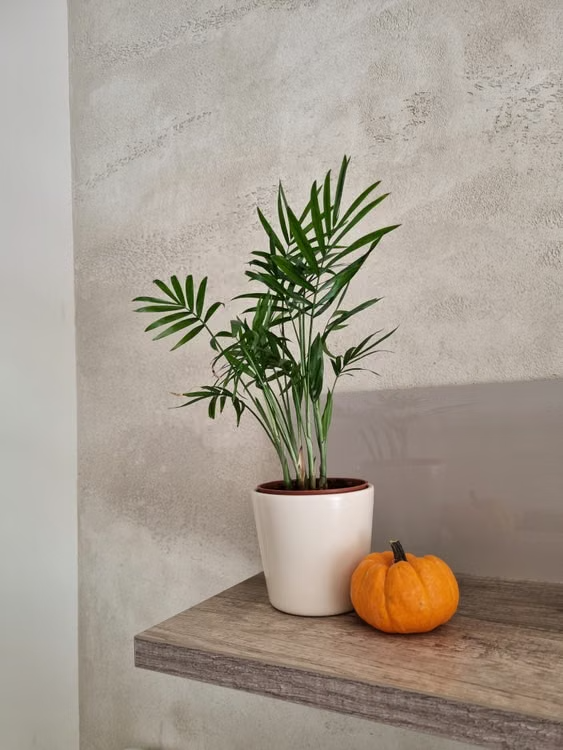
I find that a Parlour Palm (Chamaedorea elegans) definitely adds some ‘lush’ and ‘exotic’ vibes to a room or space with its long green tropical fronds. A parlour palm can tolerate lower light conditions and north facing rooms, and the feathery fronds can act as a soft and elegant statement piece to a room or boring corner. It can add some height to a room without being too bulky which is perfect for smaller spaces. The geographical origin of this plant is Mexico to Honduras and it grows mostly in a seasonally dry biome so it can tolerate some underwatering too.
2. Heart leaf philodendron (Philodendron hederaceum)
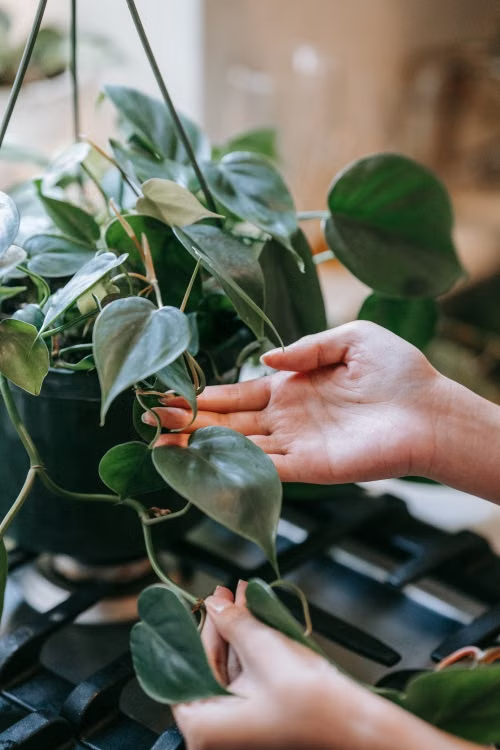
I love the heartleaf philodendron (Philodendron hereraceum) for its beautiful heart shaped leaves its and trailing habit. It can add a feeling of warmth, natural movement, and immersion in nature as it trails along and down a bookcase or from a cabinet. Heartleaf philodendrons are native to Mexico and tropical South American forests, where they climb and trail from trees and grow beneath the shady forest canopy. That’s why heart leaf philodendrons are so adaptable indoors and can tolerate lower light conditions.
3. Snake Plant (Dracaena trifasciata)
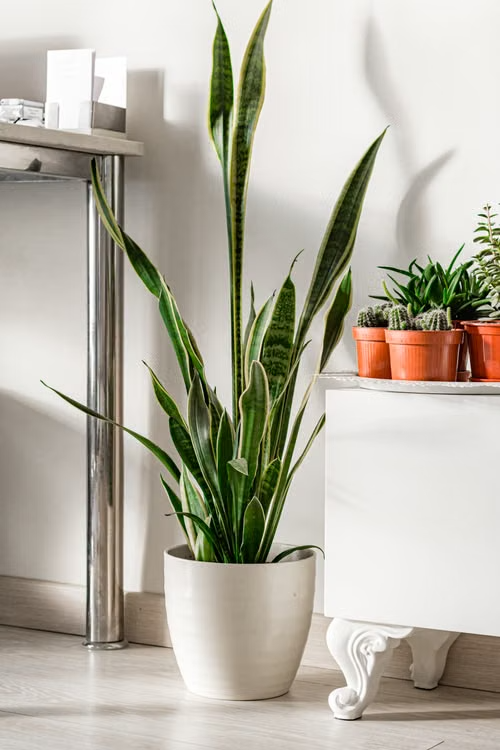
I love the Snake Plant (Dracaena trifasciata) for its elegantly tall standing leaves that grow straight out of the soil and how easy it is to look after. Often called ‘unkillable’ or ‘indestructible’ (not quite!) it has an amazing tolerance to low watering and to lower light conditions. The plant originates from a geographical range covering South Nigeria to Western and Central Tropical Africa where its natural environment can go through long periods of seasonal dryness.
Sometimes plant Latin names (in brackets in my blog) change when new research reclassifies a plant into a new family group (taxonomy). Therefore, many shops still use the Snake Plant’s former name, Sansevieria trifasciata. If you’d like to delve deeper into plant taxonomy, what it is and why it is important you can read more here.
4. Cast Iron Plant (Aspidistra elatior)
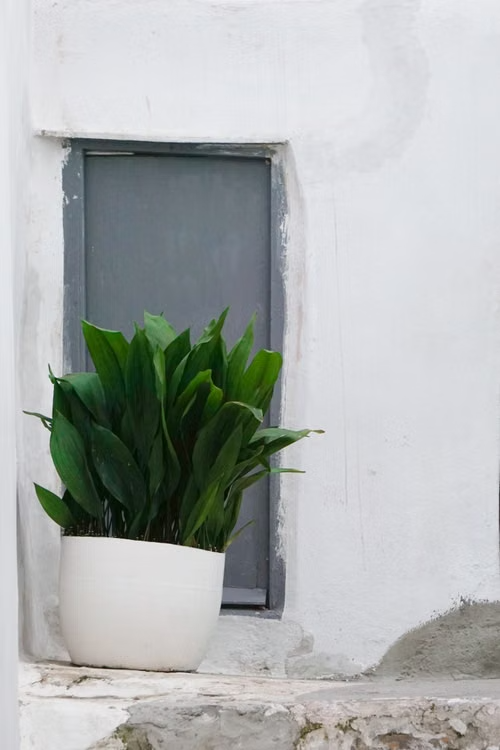
The Cast Iron Plant (Aspidistra elatior) is native to Japan where is spends time in the deep shade of the forest floor, protected from direct sunlight. It was quite popular in Victorian times because it survived smoky and poorly lit rooms. As such it is low light tolerant and and slow growing. It has elegant, tall, and rich green foliage which can add structure and height to a room or bring life to a dimly lit corner. It has underground stems called rhizomes that store water and so it can tolerate, and may sometimes prefer, infrequent watering. A reliable friend this one!
5. Chinese Evergreen (Aglaonema)
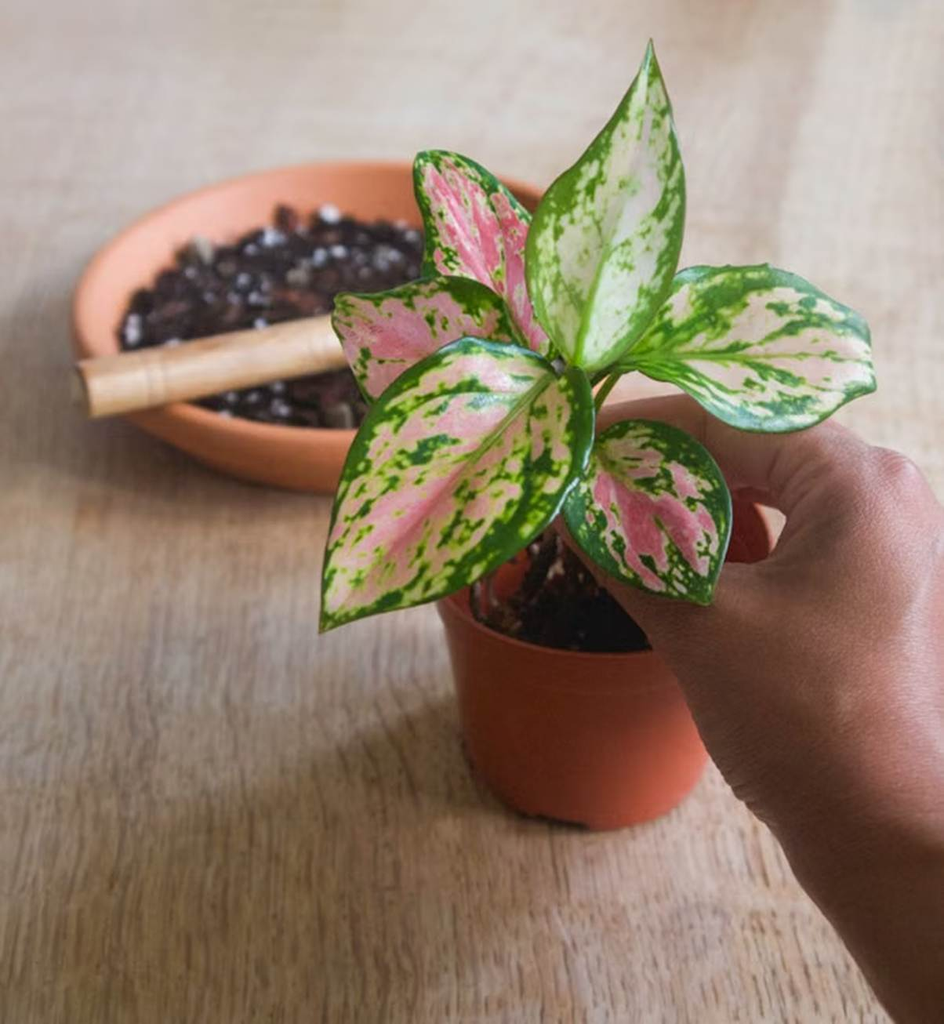
Depending on the variety, the Chinese Evergreen (Aglaonema) can be a lovely way to introduce a splash of colour and pattern to your room without the maintenance required of flowering plants. Some varieties show silver splashes, cream marbling, lime green highlights, pink or red margins or veins and patterns on the leaves. It is native to tropical forests stretching from north east India to Papa New Guinea. Again, like many of the other plants above it grows under dense forest canopies rather than in direct sunlight and so it can tolerate lower light levels than some other houseplants.
Where to buy
Some UK online houseplant retailers worth exploring:
I have found that Patch Plants is especially beginner-friendly and includes detailed care guides.
Plant swaps and community share groups
Local plant social media groups are a great place to buy plants at a reduced price, for example if someone is moving away or cannot look after their plants anymore. I have also found local plant swap or cutting swap events within my local community so do have a look out for any in your community too!

Plant care
So now you’ve got one or two of these plants what care do they need?
Light
All of these plants will require some light and won’t survive in room with no windows unless you use specialist grow lights. However, they will tolerate lower light conditions so should survive in north facing rooms or several metres away from a window.
That said, in the UK, winter can be challenging for houseplants because daylight hours are shorter. Keep an eye on your plants as the seasons change and consider moving them closer to a window if they’re showing signs of insufficient light.
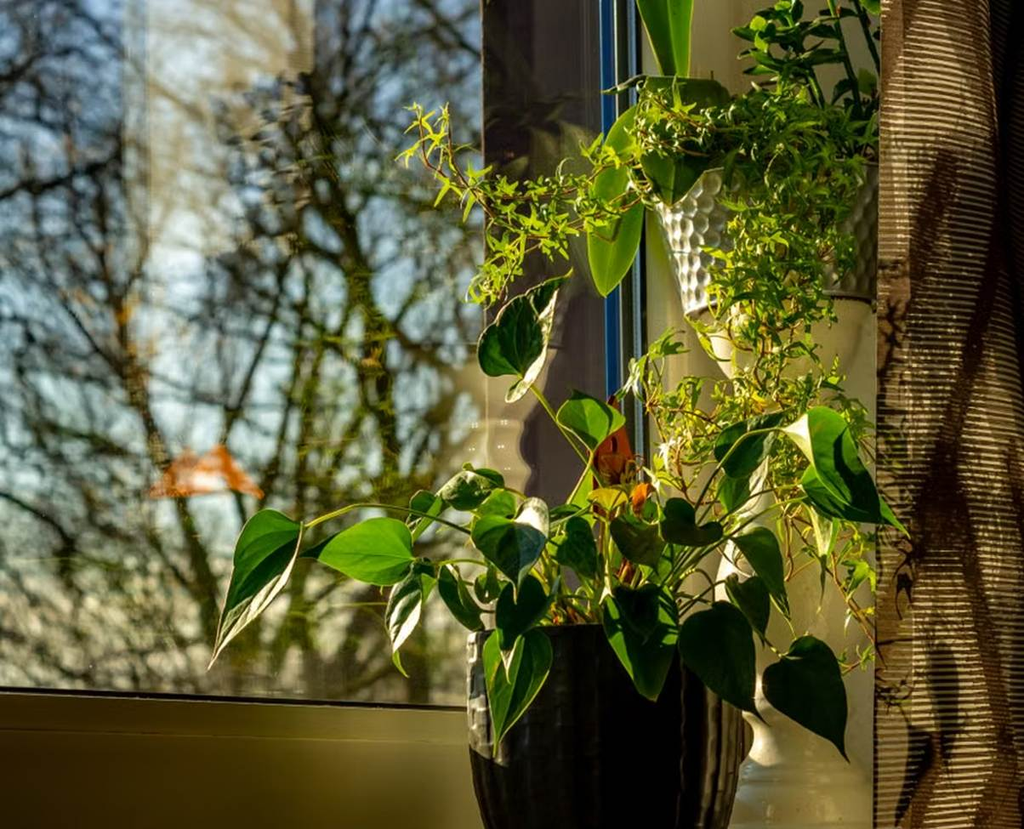
That said, the space between a window pane and closed curtains can get very cold at night in wintertime in the UK so you may want to consider moving the plant slightly away from the windowsill in wintertime if it looks like the cold might be affecting it.
Watering
All plants require water but some will require more or less than others. The most common killer of houseplants, especially those new to caring for them is overwatering. Plants will take up more or less water at different times of year, often more in summer and less in winter. I recommend the plants above because they can be tolerant of the odd missed waterings and don’t enjoy sitting in wet soil for prolonged periods of time.
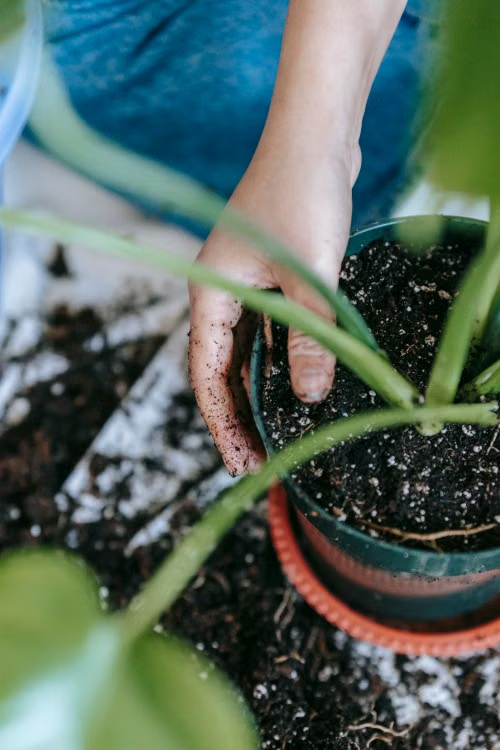
As mentioned in my posts on watering it is usually better to check the soil regularly rather than water on a strict schedule. The more you check the more you will become familiar with how quickly or slowly the soil dries how and how long the plant can tolerate dry soil.
For more help and advice on watering and why watering schedules don’t always work, check out my beginners guide to watering and how to water houseplants top vs bottom watering.
Signs you might need to water:
- The compost soil is dry and loose and has been for some time
- Leaves are drooping – this can be caused by other problems too
- Leaves might be dry and crispy – although this can be caused by other problems too
Signs you may have overwatered:
- Soil is still wet
- Stems and roots are soft and may be mushy
- Small, black flies (fungus gnats) are flying out of the soil when disturbed
- Soil is unpleasantly smelly which may hint to it being too wet for too long or that roots are rotting
Remember no single symptom absolutely proves a plant has been overwatered or underwatered so check the soil, look at the plant as a whole, and consider its growing conditions and environment before deciding what to do.
Drain, Drain, Drain
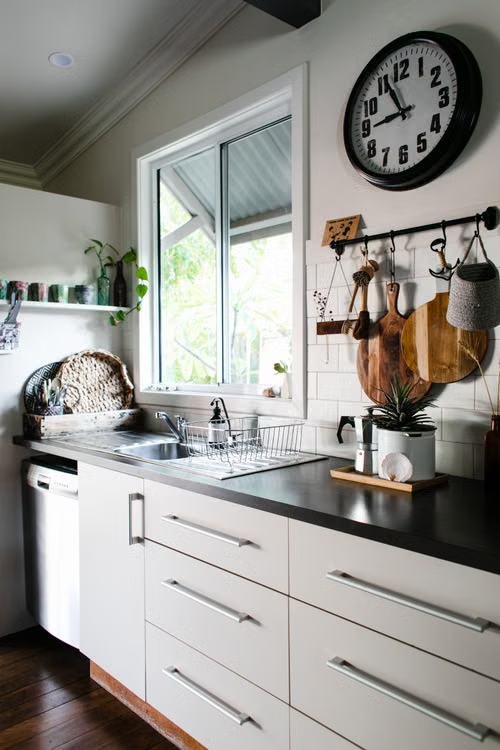
I cannot emphasise enough how important it is to allow excess water to drain out of the bottom of the pot after watering the plant. Allowing the pot to drain on a kitchen draining board for 30 minutes or so before placing it back into its decorative pot will help ensure it doesn’t sit in a puddle of water and may just help any ‘unseen’ overwatering problems you might have.
Feed
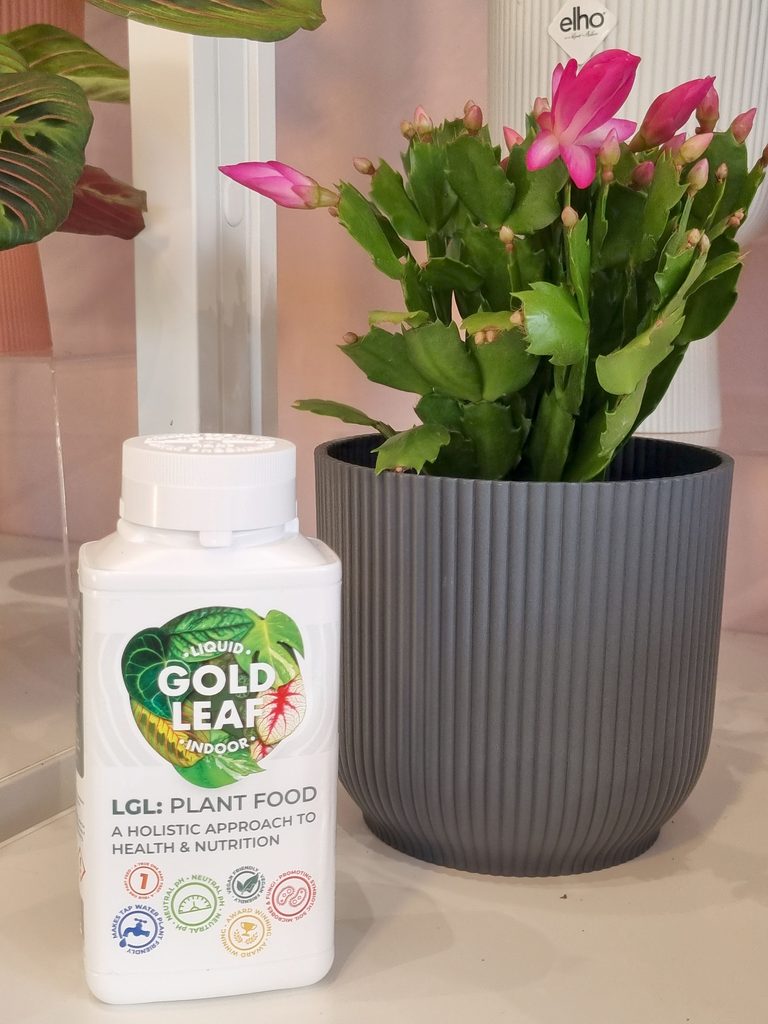
I find that the plants above will tend to grow slowly and so don’t require a lot of maintenance, however, they may benefit from a general purpose houseplant feed during the growing season. It’s impossible to advise an exact feeding schedule, because this will all depend on how much light the plants are exposed to, and how much or how quickly they are growing. I find that a once a month feed should suffice in summer, following the manufacturers instructions on the feed bottle. I use Liquid Gold Leaf plant food and it has been a great feed for me.
Observe your plants though, and if they look like they are putting out a lot of growth then consider feeding a little more regularly. Consider slowing down or stopping feeding altogether in winter, especially if growth has slowed or stopped. It is much better to err on the side of under feeding with these ones rather than over feeding. If a plant cannot use the extra nutrients, these can build up in the soil, creating poor soil conditions.
Repotting
These 5 plants are considered beginner friendly and lower maintenance because they don’t tend to require repotting all too often. You may want to consider repotting every 2-3 years into a houseplant compost mix that contains perlite. The snake plant and cast iron plant could potentially tolerate up to five years before being repotted.
The leafy little win
I love all five of these plants as they can add a little lush or calming green vibes to your home without a huge amount of maintenance. But do remember to check on them every now and then! I hope you love them as much as I do! 😊
Leave a Reply