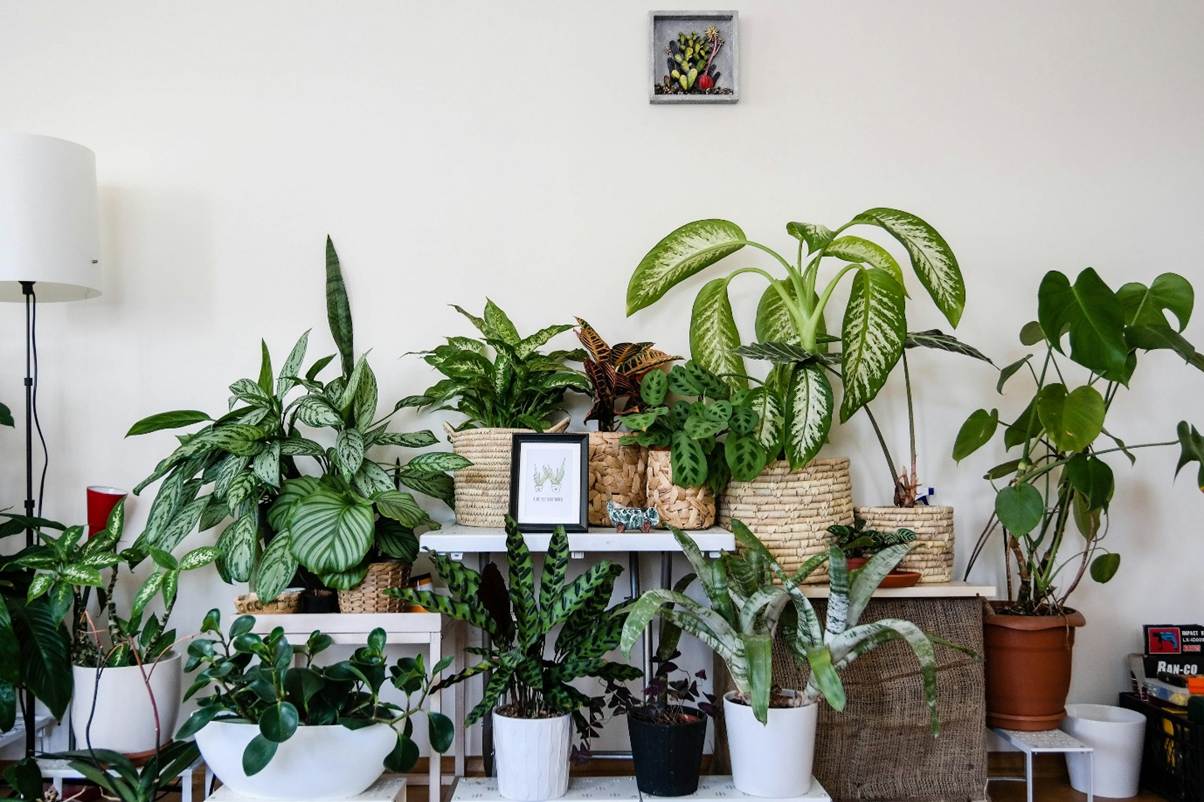
The beginner-friendly plants that thrive even when life gets busy.
When I bought my first houseplants, I was over the moon. They looked so nice in their new home, but after a few months they looked worse for wear. To be honest, I wasn’t great at remembering to water them or even check on them, sometimes I was just too busy. I didn’t really know what their needs were and hadn’t bothered to check. Then I’d look over at them, feel guilty, and give them too much love – watering them every few days in the hopes they’d just suddenly revive. Sound like you?
Years later, I’ve discovered some easy care houseplants that are far more forgiving than others. Some actually prefer a less-is-more approach and survive, or even thrive, with less frequent care.
The 5 easy care plants below are my personal favourites because they’re resilient, communicate when they need something, and cope well with the warm temperatures in my south-facing flat. Better still, understanding where they come from has made it much easier to understand why they might die, survive or thrive in certain conditions.
So here are my top five plants that I recommend for anyone starting out or anyone who’s always busy (which is probably most of us, to be fair!).
1. Snake Plant (Dracaena trifasciata)
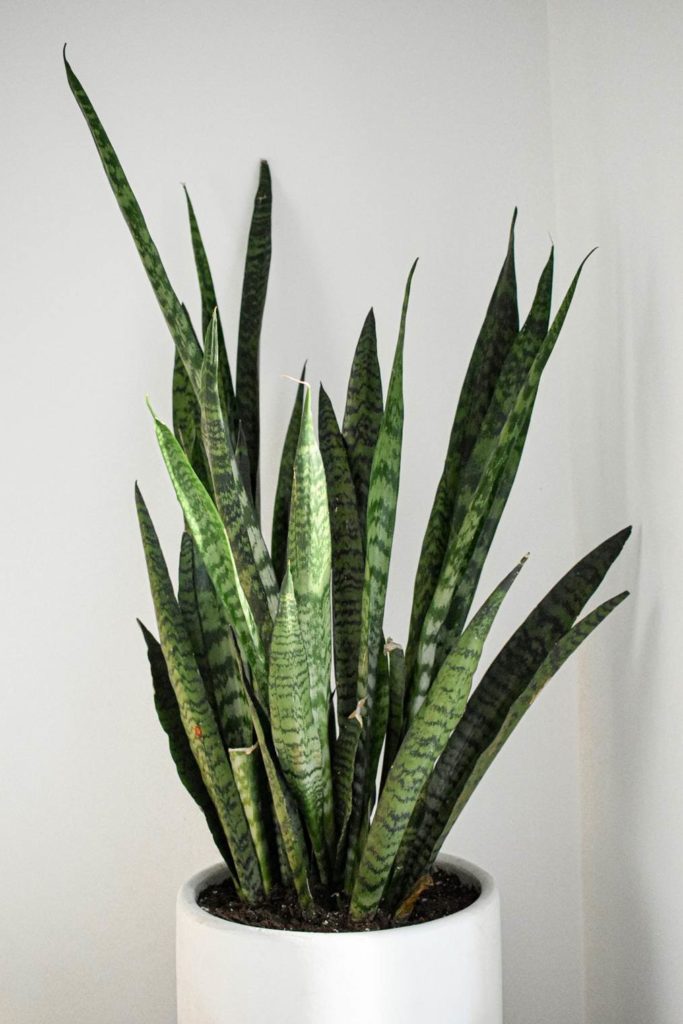
Where does it come from?
Snake plants are native to tropical regions of Central and West Africa. In the wild, they experience long periods of heat and drought, so they’ve evolved to store water in their thick, upright leaves.
Why it’s so easy to care for
Because it evolved in dry conditions, the snake plant is exceptionally tolerant of missed waterings. It’s one of the few houseplants that genuinely prefers being left alone.
If you’re the sort of person who remembers to water your plants only when they start looking slightly unhappy, this plant will probably forgive you. It will take a long time before it looks unhappy.
What it needs
Light: Low to bright indirect light
Water: Check weekly, but only water when the soil has completely dried out. Snake plants naturally grow in dry conditions and are much happier being kept slightly too dry than too wet.
Feed: A balanced houseplant feed once a month during spring and summer
Signs it needs help:
- Wrinkled leaves mean it’s probably thirsty
- Soft, yellow leaves mean too much water
My tip
If you’re only buying one plant as a complete beginner, the snake plant is one of the best easy care houseplants and your back. As a houseplant doctor, I’ve rarely had anyone come to me looking for advice with a poorly snake plant. They’re pretty tough.
2. Silver Pothos (Scindapsus pictus)
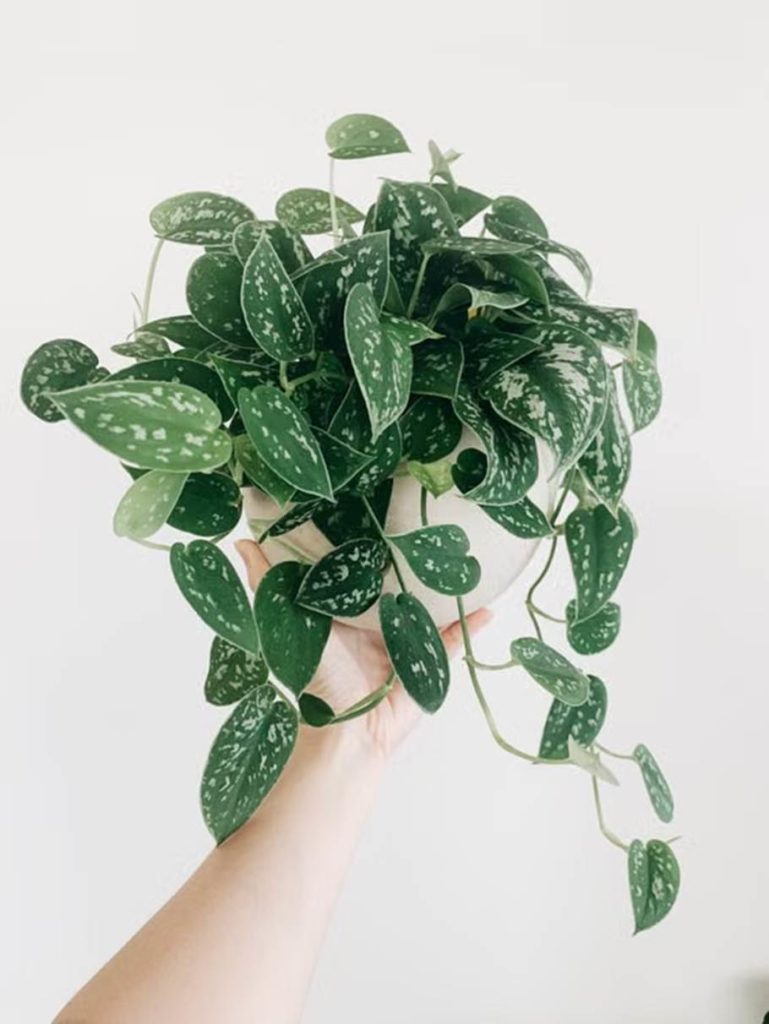
Where does it come from?
The origins of the silver pothos range from SE Bangladesh to W. & Central Malesia. It naturally grows under the tree canopy, scrambling along trunks and branches where light levels may be dappled and vary throughout the day.
Why it’s so easy to care for
Its forest origins explain why pothos tolerates a wide range of lighting conditions. Unlike fussier houseplants, it doesn’t demand a sunny windowsill and can thrive in lower light levels.
The plant is also excellent at communicating. When it needs water, the leaves start to droop and curl inwards, then usually perk back up a day or two after being watered.
What it needs
Light: Medium to bright indirect light. Avoid direct sunlight, as this can scorch the leaves.
Water: Check weekly and water when the top few centimetres of soil feel dry. Pothos is great at telling you when it’s thirsty, as the leaves will often droop slightly before perking back up after watering.
Feed: Monthly during spring and summer
Signs it needs help:
- Droopy leaves mean it might be thirsty (especially if the soil is dry)
- Yellow leaves often mean overwatering, but could mean other things like nutrient deficiency or low light – check the soil first.
My tip
Silver pothos is perfect for shelves and bookcases because the trailing vines create instant jungle vibes with very little effort. It has beautiful heart-shaped leaves, and the silver spots add something extra special in addition to being an easy care houseplant.
3. Dragon Tree (Dracaena marginata)
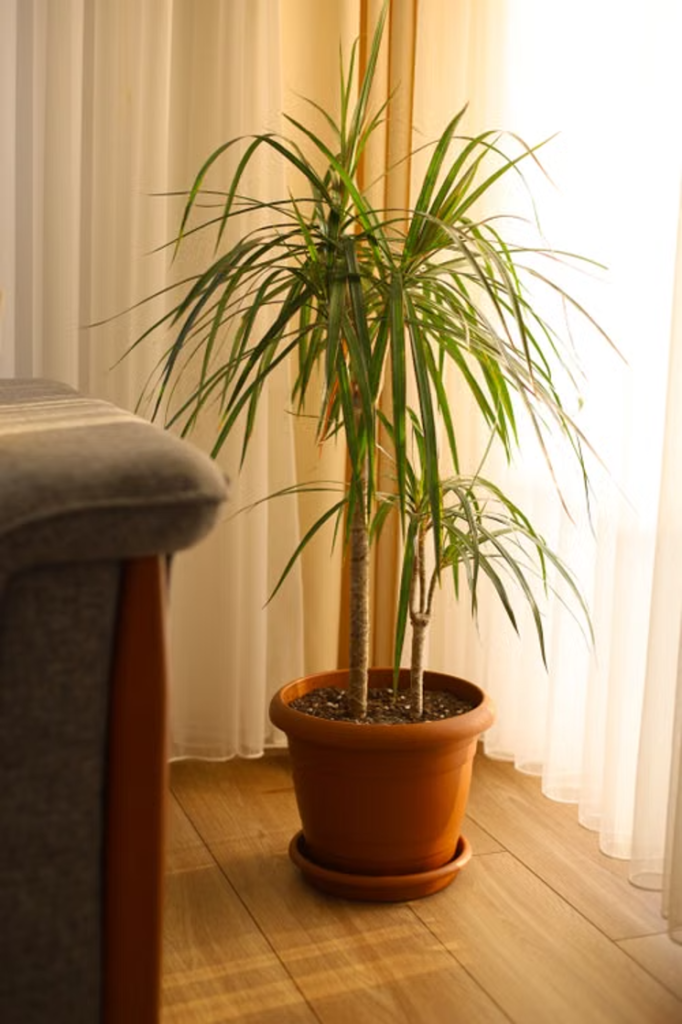
Where does it come from?
The Dragon Tree is native to Madagascar, where it grows in warm, sunny conditions. Despite its exotic appearance, it’s remarkably adaptable indoors.
Why it’s so easy to care for
They also cope well with the stable temperatures found in most modern homes.
What it needs
Light: Bright indirect light
Water: Check weekly, but only water when the compost is completely dry.
Feed: Monthly in the growing season
Signs it needs help:
- Brown leaf tips are often a sign of dry air or inconsistent watering
- Pale green growth means it needs more light
My tip
This is my favourite easy care houseplant for adding height to a room without taking up much floor space. Great for small flats. It’s also the only houseplant I own that I’ve named. He’s called Fred. One day I was supposed to come home with bread and milk. Instead, I came home with bread and Fred.
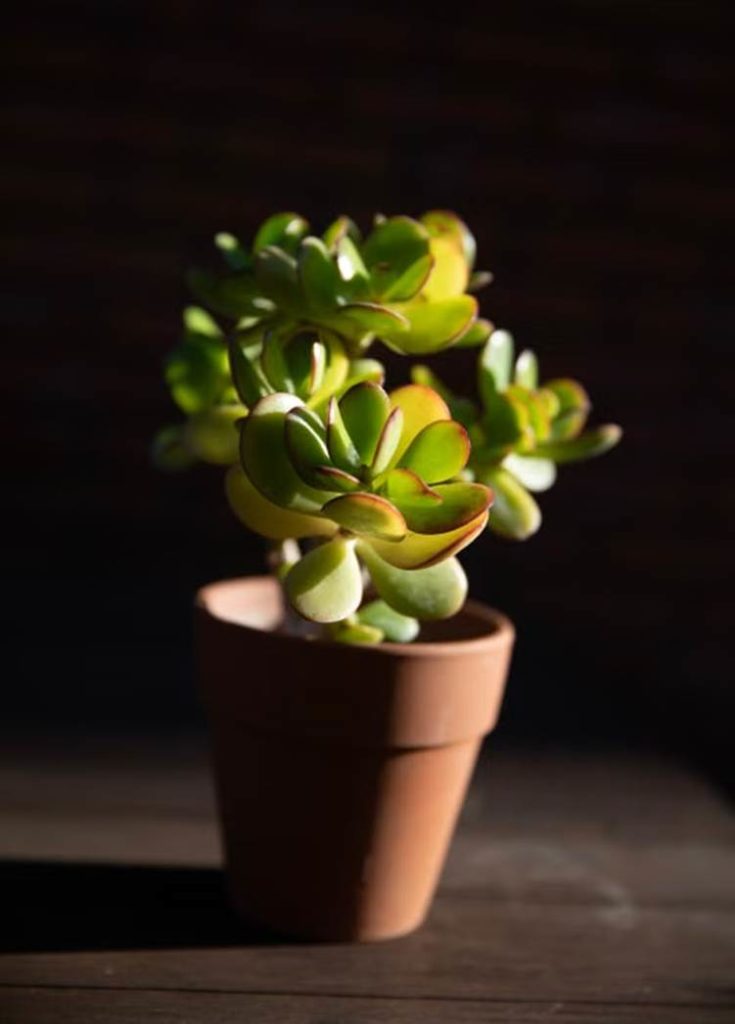
4. Jade Plant (Crassula ovata)
Where does it come from?
The Jade Plant is a succulent native to South Africa and Mozambique, where rainfall can be sporadic and conditions are often hot and sunny.
Like many succulents, it stores water in its plump leaves.
Why it’s so easy to care for
Its leaves act as built-in water tanks. That means forgetting to water it for a few weeks is usually far less damaging than watering too often. It can use what’s stored before showing signs it’s really thirsty.
What it needs
Light: Bright light and some direct sun
Water: Only when the soil has dried completely. As a succulent, jade stores water in its leaves and can comfortably wait longer between drinks.
Feed: Monthly during spring and summer
Signs it needs help:
- Wrinkled leaves often mean it’s thirsty
- Soft, mushy leaves mean it’s been overwatered – allow the soil to dry out before watering again.
Fun fact:
Jade plants can turn burgundy red when placed in direct sunlight. This is a totally natural response to high light levels, and it acts as a natural plant sunscreen. It has evolved this adaptation over thousands of years to survive the harsh, hot and sunny conditions where it originates from. There are few houseplants that can tolerate a south-facing windowsill in the UK, and this is one of them. The lovely red colour makes a nice contrast if you want something a bit different from a typical leafy green houseplant.
My tip
The biggest mistake beginners make with succulents is overwatering. Succulents have adapted to survive longer dry periods, so only water when the soil is completely dry.
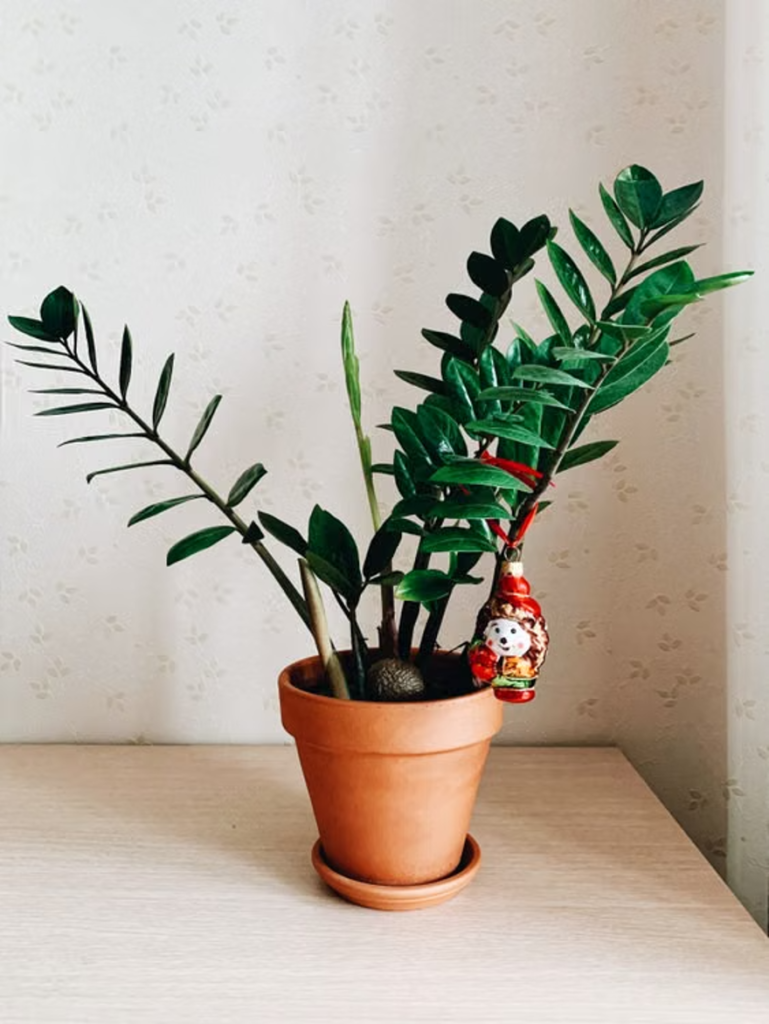
5. ZZ Plant (Zamioculcas zamiifolia)
Where does it come from?
The ZZ Plant is native to Eastern Africa, where it grows through dry periods and stores water in underground rhizomes.
Why it’s so easy to care for
Those potato-like rhizomes act as water storage tanks, making the plant extremely drought tolerant. It can also tolerate lower light conditions, making it an ideal plant for a north-facing room or dimly lit room.
It’s a tough indoor plant and survives in conditions that would challenge many other houseplants.
What it needs
Light: Low to bright indirect light
Water: Check weekly, but expect to water relatively infrequently. The plant stores water in underground rhizomes, making it one of the most drought-tolerant houseplants you can grow.
Feed: Occasionally through the growing season
Signs it needs help:
- Yellow leaves are usually a sign of overwatering
- Stretched or leggy growth means it needs more light
My tip
If you’ve killed several houseplants already, try a ZZ Plant next. It’s one of the best easy care houseplants.
What These Plants Have in Common
Notice a pattern?
These 5 easy care houseplants come from environments where water isn’t always in plentiful supply and light conditions vary. That’s why they’ve evolved ways to store water, survive drought, or tolerate higher or lower light conditions.
For busy plant owners, like myself, that’s fantastic news. Occasionally forgetting to water won’t be a disaster, and they’ll be able to tolerate that far better than excessive watering.
If your home is warm year-round, especially a bright south-facing flat like mine, these plants tend to settle in happily with very little intervention.
Where to Buy Houseplants in the UK

Some reputable UK houseplant retailers that stock these easy care houseplants:
I have found that Patch Plants is especially beginner-friendly and includes detailed care guides.
Final thoughts
These 5 easy care houseplants are extra special to me because they stayed alive when I knew so little about houseplant care and during a period of my life when I haven’t always had the time to notice what they need. I’ve chosen them because they each have a unique aesthetic which can bring some variety into your home, whether that’s creating different height layers, colour contrasts or unique patterns.
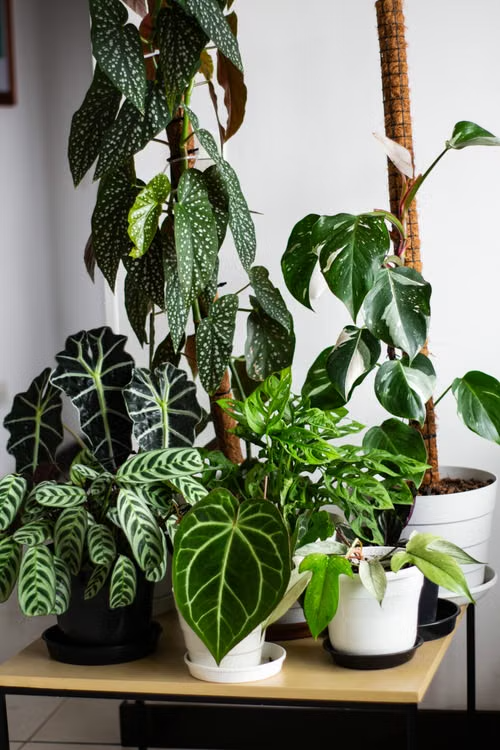
These five plants are just a small sample of easy care houseplants that suit beginners or busy people. There are so many more! Learning where your plants come from, and the environments they’ve adapted to, can guide how we care for them. Noticing the light, temperature, and rainfall of their native habitats helps us understand where they’ll feel most at home in our spaces and what they truly need, or don’t need, to thrive.
To help keep your plants thriving, be sure to check on and observe any changes in your plants over time. You might find my previous posts on plant observation, why not to water on a schedule, and how to water houseplants helpful.
I hope you enjoy these plants as much as I have! 😊
Leave a Reply