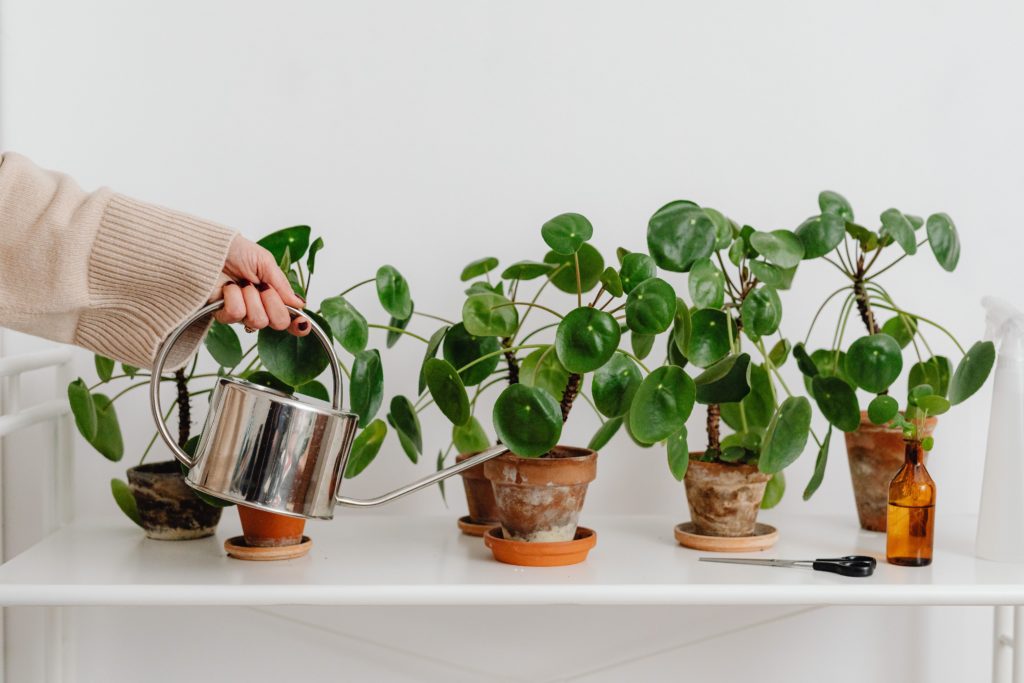
If caring for houseplants ever feels stressful, watering is usually the reason.
Worries such as:
- Am I watering too much?
- Not enough?
- How often should I water?
- How much water?
It’s understandable. Watering is the most frequent care we give our plants and also the easiest to overdo.
You’ll be pleased to hear that most houseplants won’t suffer or die from one missed watering. Many houseplants have special adaptations or tactics that allow them to survive dry periods now and then. That’s why they are specifically chosen to grow well in our homes. We’ll explore more on houseplant adaptations later. For now, houseplants are far more affected by being watered too often.
Why watering schedules don’t always work
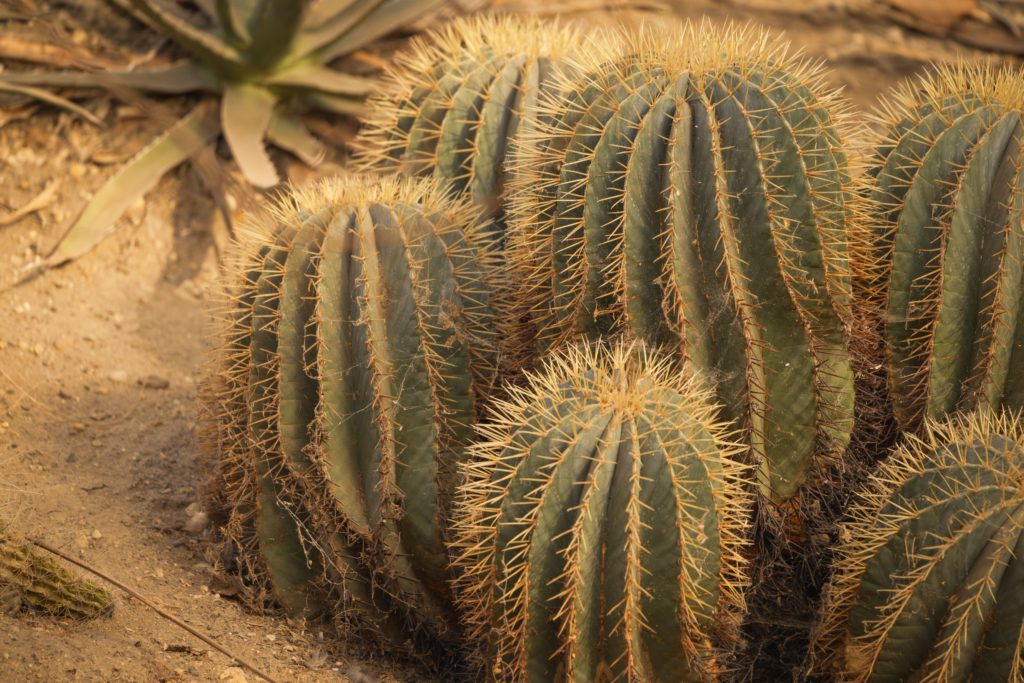
Houseplants don’t experience time the way we do. They don’t know it’s Tuesday or that a week has passed. What they respond to is environment: light, temperature, airflow, and how quickly moisture leaves the soil. These environments will be different in each of our homes and different again as seasons change.
Therefore, no single watering timetable works 100%.
What to notice instead
Instead of watering by the calendar, it’s far kinder (and more effective) to water in response to what you observe.
That way you are adapting your care to the particular needs of that plant, in that place, at that time.
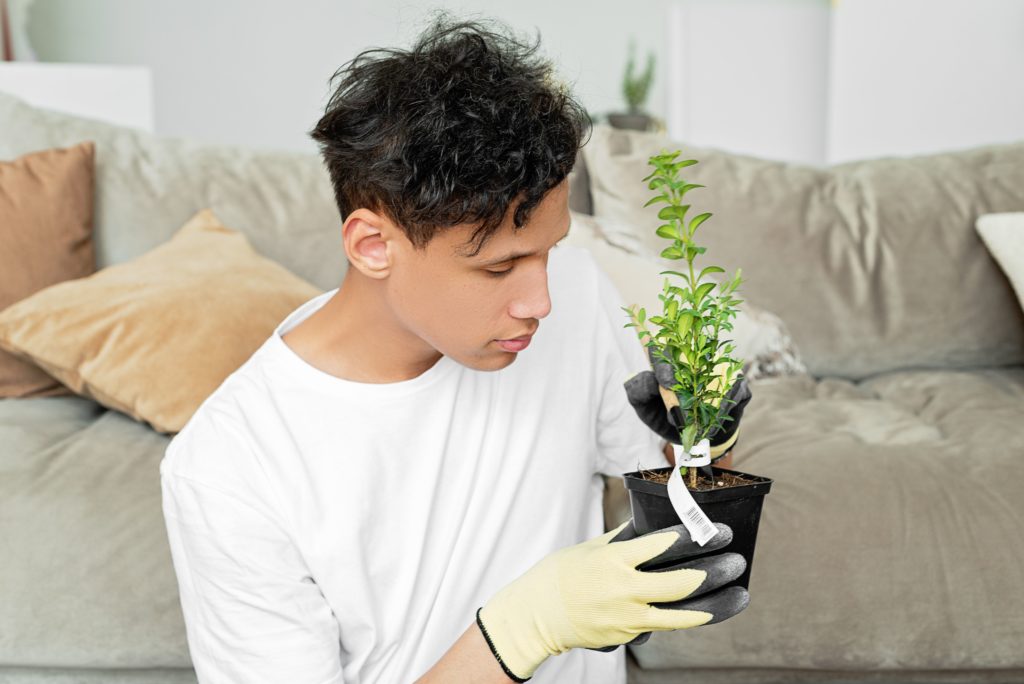
Before watering, pause and check.
You might notice:
- how the soil feels beneath the surface, is it dry and warm (little water is available to the roots), or cool and damp (there’s still water available in the soil)
- whether the pot feels light when lifted (the soil has dried out) or heavy when lifted (the soil is still wet/damp)
- if the leaves look firm (healthy), slightly soft and limp, or dry and crispy
- whether the plant has been in brighter light or warmth recently (the plant may take up water more quickly) or has the plant been in a cooler shadier area (it may take up water more slowly)
A rule of thumb
A rule of thumb I find helpful for most houseplants is that if the soil within the pot is still wet or damp – don’t water it.
If the soil is damp it means there is still water available to the plant from the soil. If the soil is dry (stick a finger right down into the pot to find out) and the pot is light when lifted – that’s a sign the plant needs a good water.
When watering it can be helpful to take the plastic pot out of it’s outer decorative pot if it has one, give the soil a good drench in the kitchen sink, allow excess water to drain out of the pot on a draining board for 5-10 minutes and then place the plant back into it’s decorative pot. Only water again when the soil has dried.
Make checking on your plants a habit
You might ask – but how do I remember to check if I don’t have a schedule? I suggest finding a time each week that works for you to just take a quiet moment with your plants. I love walking around my living room early on a Sunday morning or last thing on a Sunday evening , coffee or tea in hand, light music on, quietly checking in with my plants. It’s part of a calming and mindful moment for me. But if that doesn’t work for, you can still set a reminder – but remember that the reminder is to check and observe rather than strictly water, only watering if deemed necessary from what you’ve observed. You’ll start to recognise a pattern of how your plant looks and feels over time and your confidence will grow naturally as a result.
Plants respond slowly
It’s also important to remember that most plants respond slowly. After watering, a plant won’t always look different the next day. This doesn’t mean it didn’t work. The plant is simply processing the change, and some plants will process this more quickly than others.
Giving more water when the soil is still damp or wet, just to “make sure,” can overwhelm the roots before the plant has had time to adjust. Too wet soil for too much time can cause roots to rot. Plant roots need air as well as water so a short period of dry soil is not always the danger you think it is.
If you’re unsure whether to water again, it’s often safer to pause, observe the soil again tomorrow, and if it’s still wet give the plant more time. Most houseplants tolerate waiting far better than being overwhelmed.
The more you observe before acting, the easier this becomes.
For now:
- try to making checking on your plant a weekly habit
- allow time between waterings
- notice how your plant responds
- trust that confidence comes from experience, not perfection
You’re not meant to know everything straight away. If it helps you can use my plant observation guide to help know what to look out for.
Learning when not to water is just as important as learning when to do it.
Leave a Reply